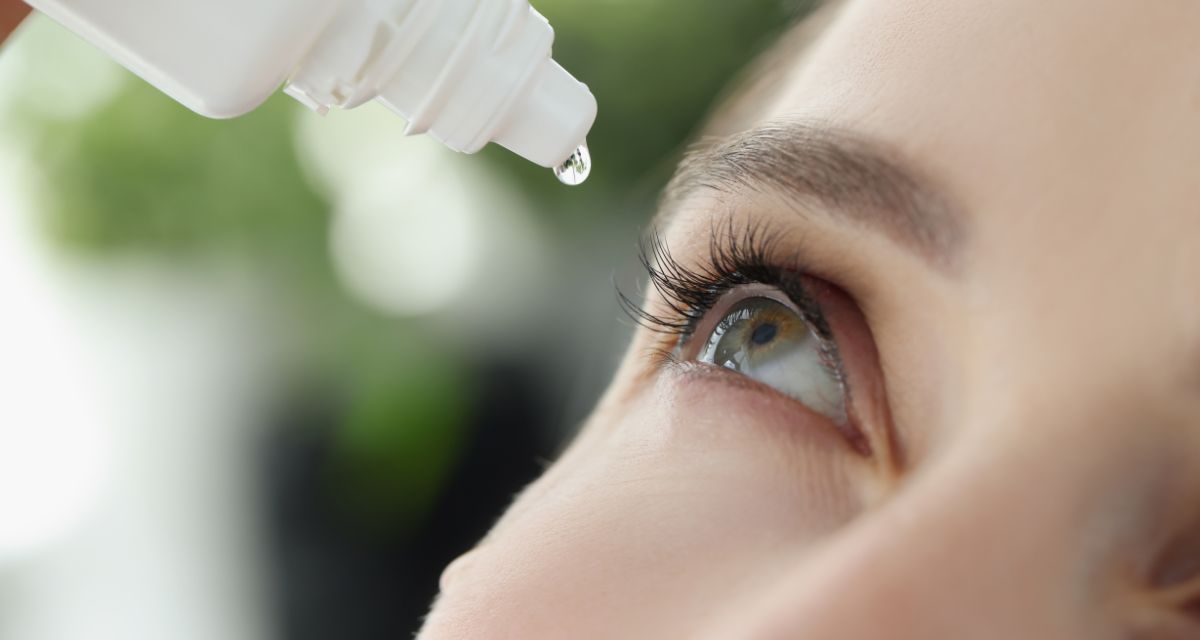
Eye discomfort has become increasingly common due to prolonged screen exposure, environmental pollution, air-conditioned environments, and lifestyle changes. For many people, using eye drops for daily use has become an essential part of maintaining eye comfort and visual clarity. However, not all eye drops are designed for frequent or long-term application, making it important to understand which options are truly safe for everyday use.
This comprehensive guide explains what makes certain eye drops suitable for daily use, the different types available, how to choose the right one, and why formulation quality plays a critical role in long-term eye health.
What Are Eye Drops for Daily Use?
Eye drops for daily use are ophthalmic formulations designed to be applied regularly, often multiple times a day, without causing irritation or harm to the ocular surface. Unlike medicated eye drops used for infections or inflammation, daily-use eye drops primarily focus on lubrication, comfort, and tear film support.
They are commonly used by:
- People with prolonged screen exposure
- Individuals with mild to moderate dry eyes
- Contact lens users
- Those exposed to dust, pollution, or air conditioning
Because these drops are used repeatedly, safety, sterility, and ingredient balance are especially important.
Why Choosing the Right Eye Drops for Daily Use Matters
Using eye drops occasionally is very different from using them every day. Eye drops for daily use come into frequent contact with delicate ocular tissues, which means even small formulation issues can become significant over time. Choosing the wrong product for regular use may lead to irritation, dependency, or worsening symptoms rather than relief.
Some eye drops are designed only for short-term relief and may contain ingredients that constrict blood vessels or temporarily mask redness. While these may provide quick cosmetic improvement, they are not intended for daily use and can cause rebound effects when used repeatedly. This is why understanding the purpose and formulation of daily-use eye drops is essential.
Daily-use eye drops should focus on supporting natural tear function and maintaining surface hydration without altering normal eye physiology. Ophthalmic-focused manufacturers such as Kroyf emphasize formulation balance and long-term tolerability when developing eye drops intended for routine use. This approach helps ensure that daily comfort does not come at the expense of eye health.
Types of Best Eye Drops for Daily Use
There is no single “best” option for everyone. The suitability of eye drops for daily use depends on individual needs, usage frequency, and eye sensitivity.
1. Lubricating Eye Drops (Artificial Tears)
Lubricating eye drops are the most commonly recommended eye drops for daily use. They help supplement natural tears and reduce dryness, irritation, and eye fatigue.
Best for:
- Mild dryness
- Screen-related eye strain
- Occasional irritation
These drops are designed to closely mimic natural tears and are generally safe for regular use. Some examples of such eye drops are – Drilux, Pintear, Pintear Plus
2. Preservative-Free Eye Drops
Preservative-free formulations are often considered the best eye drops for daily use, especially for people who apply drops more than 3–4 times a day.
Benefits include:
- Reduced risk of irritation
- Better tolerance with frequent use
- Lower chance of surface toxicity
Ophthalmic-focused pharmaceutical companies such as Kroyf place strong emphasis on preservative control and formulation stability when developing eye drops intended for long-term daily use.
3. Eye Drops for Screen-Related Eye Strain
Extended digital device use reduces blink rate, leading to increased tear evaporation. Certain daily-use eye drops are formulated to provide longer-lasting lubrication for people with screen-heavy routines.
These are suitable for:
- Office professionals
- Students
- Frequent smartphone users
The National Eye Institute highlights digital eye strain as a common contributor to dry eye symptoms
(Source: https://www.nei.nih.gov/learn-about-eye-health).
4. Contact Lens-Compatible Eye Drops
Not all eye drops are suitable for use with contact lenses. Daily-use drops designed for contact lens wearers are formulated to be gentle and compatible with lens materials.
They help:
- Reduce dryness during lens wear
- Improve comfort
- Minimize irritation
Always check labeling or consult an eye care professional before using drops with contact lenses.
Ingredients to Look for in Eye Drops for Daily Use
Understanding ingredients can help users choose safer options.
Common beneficial components include:
- Lubricating polymers
- Tear film stabilizers
- Gentle buffering agents
Daily-use eye drops should avoid unnecessary medications or vasoconstrictors, which are not intended for frequent use.
How Often Can Eye Drops for Daily Use Be Applied?
Frequency depends on formulation type and individual comfort.
General guidance:
- Mild symptoms: 1–2 times daily
- Moderate dryness: 3–4 times daily
- Frequent discomfort: As advised, preferably preservative-free
The Mayo Clinic recommends choosing gentle formulations for long-term or frequent use to avoid irritation
(Source: https://www.mayoclinic.org/diseases-conditions/dry-eyes).
Safety Considerations for Everyday Use
Because daily-use eye drops are applied repeatedly, proper usage and storage are essential.
Key safety tips:
- Wash hands before application
- Avoid touching the dropper tip
- Do not share eye drops
- Discard after the recommended period
Using expired or contaminated eye drops can increase the risk of irritation or infection.
From a manufacturing standpoint, eye drops designed for daily use must meet strict sterility and quality standards. Companies like Kroyf focus on ophthalmic-specific quality systems to support safe, repeated use over extended periods.
Retention Section: Common Questions About Daily Eye Drop Use
Can I use eye drops every day?
Yes, if they are specifically designed for daily use, such as lubricating or preservative-free eye drops.
Are redness-relief drops safe for daily use?
Most redness-relief drops are not recommended for daily use, as they may cause rebound redness with frequent application.
Do daily-use eye drops affect vision?
Most lubricating drops do not affect vision, though thicker formulations may cause temporary blurring.
Why Manufacturing Quality Matters for Daily-Use Eye Drops
Daily-use eye drops are often used for months or years, making consistency and quality critical. Even minor formulation inconsistencies can affect comfort and tolerance when used repeatedly.
High-quality daily-use eye drops are characterized by:
- Stable pH and osmolarity
- Controlled preservative systems
- Sterile manufacturing environments
Pharmaceutical manufacturers with dedicated ophthalmic expertise, such as Kroyf, approach daily-use eye drops with a long-term safety perspective rather than short-term symptom relief.
The World Health Organization emphasizes the importance of quality assurance for ophthalmic products due to their direct ocular application
(Source: https://www.who.int/teams/health-product-policy-and-standards).
When to Consult an Eye Specialist
While eye drops for daily use are generally safe, medical advice is recommended if:
- Symptoms persist despite regular use
- There is pain, significant redness, or vision changes
- Dryness worsens over time
An eye specialist can identify underlying causes and recommend appropriate treatment.
Conclusion
Choosing the best eye drops for daily use involves more than picking a familiar name. Understanding formulation types, usage safety, and manufacturing quality helps ensure long-term comfort and eye health. Gentle, well-formulated eye drops can significantly improve daily visual comfort when used correctly and consistently.
As awareness around chronic eye care grows, quality-focused ophthalmic manufacturers such as Kroyf continue to play an important role in supporting safe and reliable daily-use eye drop solutions.
1. What are the best eye drops for daily use?
The best eye drops for daily use are lubricating or artificial tear eye drops designed for regular application. Preservative-free formulations are often preferred, especially for people who use eye drops multiple times a day or have sensitive eyes.
2. Can eye drops be used every day safely?
Yes. Eye drops formulated specifically for daily use are safe when used as directed. These typically focus on lubrication and tear film support rather than medication. Medicated eye drops should not be used daily unless prescribed by an eye specialist.
3. Are preservative-free eye drops better for daily use?
Preservative-free eye drops are generally better for daily and long-term use because they reduce the risk of irritation and surface toxicity. They are especially suitable for frequent users, contact lens wearers, and people with chronic dryness.
4. How often can I use eye drops for daily comfort?
Most daily-use eye drops can be applied 1–4 times a day, depending on symptom severity. Preservative-free drops may be used more frequently if needed. Always follow the product instructions or advice from an eye care professional.
5. Are redness-relief eye drops suitable for daily use?
No. Redness-relief eye drops often contain vasoconstrictors and are not recommended for daily use. Frequent use may lead to rebound redness and worsening symptoms. Lubricating eye drops are a safer option for everyday comfort.
6. Can contact lens wearers use eye drops daily?
Yes, but only eye drops that are labeled as contact-lens compatible should be used. These formulations are designed to be gentle and safe for use during lens wear without affecting lens material or comfort.
7. Do daily-use eye drops have side effects?
Most daily-use eye drops are well tolerated. Some people may experience temporary blurred vision with thicker or gel-based drops. Persistent irritation or discomfort should be evaluated by an eye specialist.
9. When should I stop using daily eye drops and see a doctor?
You should consult an eye specialist if symptoms persist despite regular use, worsen over time, or are accompanied by pain, significant redness, or vision changes. These may indicate an underlying condition that requires medical evaluation.